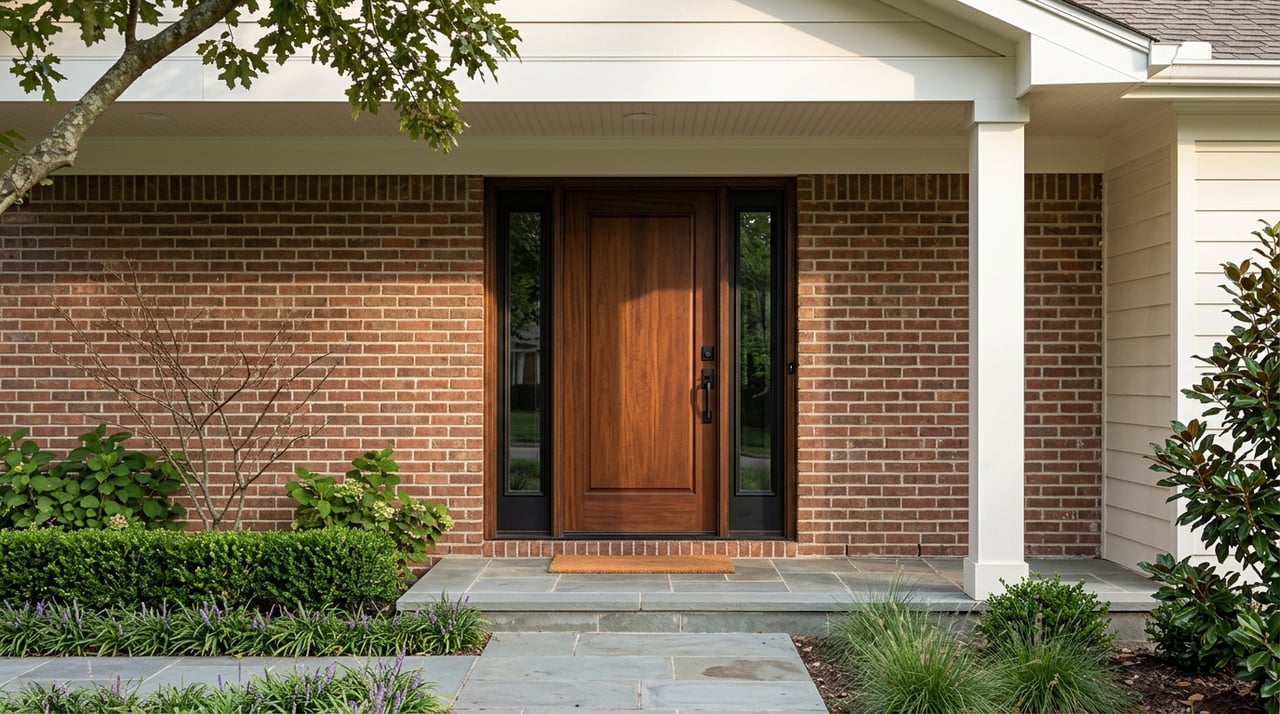
New Construction Vs. Resale Homes In Fuquay-Varina
May 28, 2026
May 28, 2026
Trying to choose between a brand-new home and an older resale in Fuquay-Varina? You are not alone. In a town that keeps growing and adding new neighborhoods, the right answer often comes down to your budget, timeline, and how much flexibility you want after closing. This guide breaks down the real tradeoffs so you can compare your options with more confidence. Let’s dive in.
Fuquay-Varina is growing quickly, and that growth is shaping your home choices. Census estimates placed the town’s population at 48,536 as of July 1, 2025, which is a 41.6% increase from 2020.
That growth has come with both buyer demand and new inventory. In March 2026, Redfin described the market as somewhat competitive, with a median sale price of $462,560 and a median 37 days on market, while Zillow’s home value estimate was $442,849 with homes going pending in about 32 days. Those numbers use different data methods, but together they point to an active market with steady movement.
New supply is still coming online as well. The Town of Fuquay-Varina issued 862 new single-family permits in 2024, which helps explain why buyers here can often compare new construction and resale homes side by side.
The biggest mistake buyers make is assuming new construction always costs more. In Fuquay-Varina, that is not always true.
Current builder pricing shows a wide range. Bloom plans start from $364,900 to $465,900, Varina Gateway townhomes start from $388,990, Providence Oaks plans run from $379,990 to $534,990, and Stonebrook at Saunders Farm starts from $469,990. That means some new homes are priced near or even below local resale benchmarks.
Resale homes vary just as much. Neighborhood summaries show Pine Summit around $451,000, Crooked Creek around $570,000, Brackenridge around $932,500, and Crystal Creek with no HOA. In other words, the real comparison is usually about lot size, location, finish level, age, and monthly costs, not just whether the home is new or older.
New construction can be a strong fit if you want a more predictable ownership experience in the first few years. Many buyers like the appeal of newer systems, builder-selected finishes, and neighborhood amenities that are clearly laid out from the start.
In Fuquay-Varina, newer communities often come with more standardized planning. Providence Oaks includes lot sizes of 6,000, 7,500, and 9,000 square feet, at least 25% open space, HOA-maintained buffers, and amenities such as a pool, fitness center, dog park, and playground. Its builder page also states that internet and cable are included in HOA dues.
Stonecreek offers another example of planned neighborhood design. The community averages 10,971-square-foot lots across 77.46 acres, includes 17.30 acres of open space, and has no townhomes. For some buyers, that structure and consistency is a major plus.
A resale home can be the better choice if you want more variety, more established surroundings, or fewer community rules. In Fuquay-Varina, resale options can include everything from homes in neighborhoods with no HOA to larger-acreage properties with very different pricing and layouts.
That flexibility is often the main advantage. Some established neighborhoods have modest dues, some have none, and lot sizes can range from standard suburban lots to one acre or more. If privacy, yard size, or fewer restrictions matter most to you, resale homes may open more doors.
Resale also gives you the chance to evaluate a home and neighborhood as it exists today. You can see mature landscaping, street patterns, and the home’s actual condition rather than relying on plans or renderings.
List price matters, but it is only part of the picture. A lower-priced home can still cost more each month if HOA dues, repairs, or other ownership expenses are higher.
Fuquay-Varina’s FY2025-26 property tax rate is $0.358 per $100 of assessed value. That gives you one fixed local cost to include in your planning, whether you buy new or resale.
Closing costs matter too. CFPB states that closing costs typically run about 2% to 5% of the home price. If you are comparing a new build with a resale home, the smarter move is to look at total cash to close, projected monthly payment, HOA dues, likely maintenance, and any builder incentives together.
For many buyers, timing is the deciding factor. If you need to move quickly, a completed home may matter more than whether it is new or resale.
In Fuquay-Varina, some new homes are available now, while others are still months away. Varina Gateway has been marketed in a final-opportunities phase with ready-now homes, Providence Oaks has shown homes available now plus May and June 2026 deliveries, and Bloom includes quick move-in options as well as plans marked ready in September 2026.
The town’s inspections department is also part of the process for new construction. It handles permit issuance, routine inspections, and certificate of occupancy after completion. That means your timeline for a new home may depend on both construction progress and municipal approvals.
One of the clearest differences between new construction and resale is how early repair risk is handled. With a new home, some of that risk may fall within the builder’s warranty period.
According to the FTC, many new-home warranties cover workmanship and materials for about one year, major systems like HVAC, plumbing, and electrical for about two years, and major structural defects for up to 10 years. Pulte also advertises a 10-year limited structural warranty on its Raleigh-area new homes.
With resale homes, inspections matter even more. CFPB recommends getting an independent inspection as soon as possible and making your offer contingent on a satisfactory inspection. North Carolina Real Estate Commission guidance also notes that sellers can be liable for nondisclosure of known latent defects that were not reasonably discoverable by the buyer.
If you are comparing newer planned communities with older neighborhoods, HOA structure can have a major impact on your experience. This is especially true in communities with shared amenities, maintained buffers, or more detailed exterior standards.
The North Carolina Department of Justice advises buyers to read bylaws and covenants carefully because HOAs can assess fees and control exterior changes, even if you do not use the amenities. Planned communities created on or after January 1, 1999 are generally governed by the North Carolina Planned Community Act.
That does not make HOA neighborhoods good or bad by default. It simply means you should compare what you are paying for, what rules apply, and how those dues fit into your monthly budget.
If you are a first-time buyer, the best fit may be the home that keeps your monthly payment more predictable. That could be a ready-now new townhome or a smaller resale home, depending on dues, closing costs, and the chance of immediate repairs.
If you want lower-maintenance systems and neighborhood amenities, new construction may feel easier to manage. Communities like Providence Oaks or Varina Gateway may appeal if you value planned design and a more standardized ownership experience.
If you care most about privacy, bigger yards, or fewer covenant restrictions, resale may be the better path. Established neighborhoods and occasional acreage properties can offer flexibility that is harder to find in newer builder-led communities.
The best decision usually comes from comparing the total ownership picture, not the marketing brochure or the listing photos alone. In a market like Fuquay-Varina, the details often matter more than the age of the home.
When you compare homes, focus on:
A side-by-side review can quickly show whether a home that looks cheaper is really the better value. It can also help you avoid surprises after you go under contract.
If you are weighing new construction against resale in Fuquay-Varina, the right move is the one that fits your budget, timeline, and lifestyle priorities. The team at Bespoke Realty Group can help you compare options clearly and build a strategy around what matters most to you.
We pride ourselves in providing personalized solutions that bring our clients closer to their dream properties and enhance their long-term wealth.