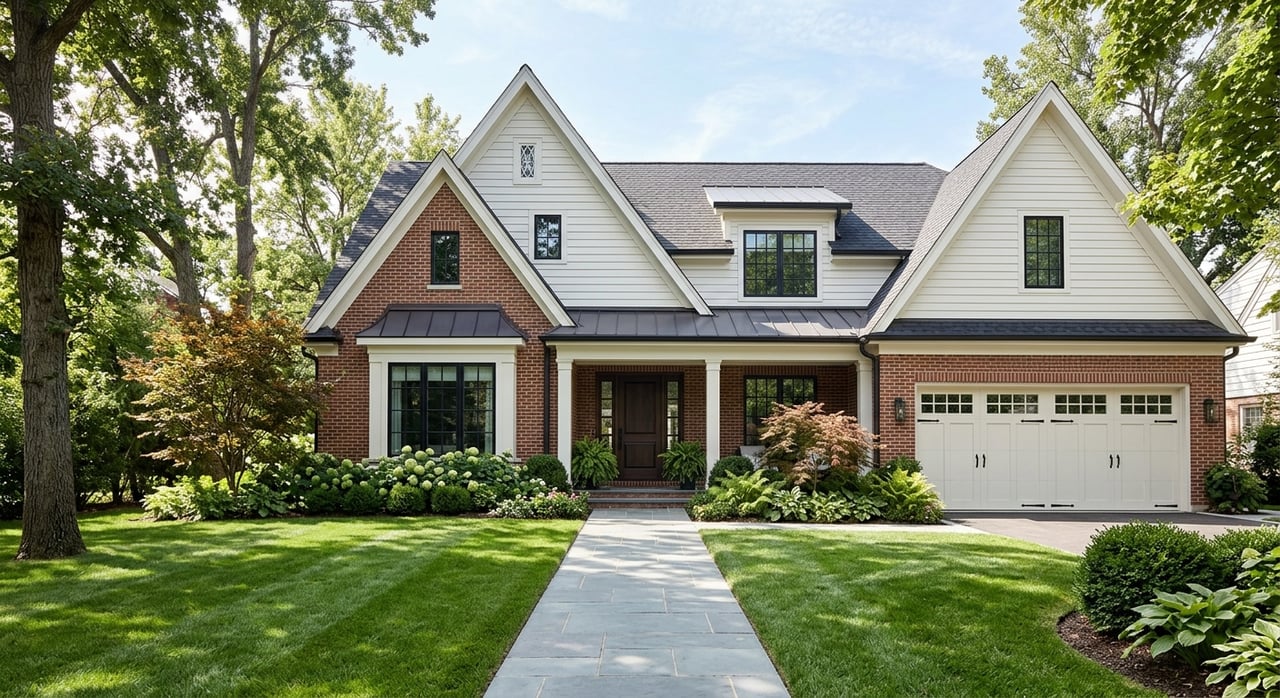
Raleigh Sellers: Should You Buy Your Next Home Before You Sell?
April 23, 2026
April 23, 2026
If you need to move in Raleigh, one question can shape your entire plan: should you buy your next home before you sell your current one? The answer is not the same for every seller, especially now that the local market is more balanced than it was a few years ago. If you are weighing timing, risk, and how to make the numbers work, this guide will help you understand when buying first makes sense, when selling first is safer, and what to watch for in today’s Raleigh market. Let’s dive in.
In Raleigh, the market is no longer moving at the extreme speed sellers saw during the frenzy years. According to Redfin’s Raleigh housing market data, homes receive about two offers on average, sell in around 43 days, and had a median sale price of $420,000 as of March 2026. That points to a market where homes still sell, but not always instantly.
The broader Wake County picture tells a similar story. WRAL’s reporting on local MLS and Triangle market data showed 3,528 active listings in Wake County in January 2026, up 20.9% year over year, with a median price of $450,000 and median days on market of 46. More inventory usually gives buyers more options and gives sellers less room for error on pricing and presentation.
At the same time, not every part of the market is moving at the same pace. WRAL reported that well-priced, move-in ready homes in areas like inside the beltline, North Hills, Midtown, Cary, Apex, Holly Springs, and parts of Wake Forest can still attract multiple offers. That is why your decision should depend less on a citywide label and more on your price point, location, home condition, and financial flexibility.
For most sellers, this decision comes down to one simple question: do you want more flexibility or less risk? Buying first can help you secure the right next home before you let go of your current one. Selling first usually gives you more financial certainty and reduces the pressure of carrying two homes at once.
The Consumer Financial Protection Bureau notes that if you want to move, you normally try to sell your home first before buying another one. That default advice is especially relevant if you need your sale proceeds for the next down payment or if taking on two housing payments would stretch your budget.
Still, Raleigh’s more balanced market means both options can work. The better path depends on your equity, savings, financing options, and how likely your current home is to sell within a normal market window.
Buying first can be a smart move when the next home is hard to replace and you have the financial strength to manage the transition. In practical terms, that usually means you have strong equity in your current home, enough liquid reserves to handle overlap, and confidence that your current home will sell without major delays.
This can be especially true if you are trying to buy in one of Raleigh’s faster-moving pockets where good inventory does not sit long. If the replacement property checks boxes that are hard to duplicate, such as location, layout, lot, or timing, waiting to sell first could mean missing it.
A buy-first strategy may fit if:
The key word is comfortably. Buying first should not depend on best-case assumptions.
The biggest risk is simple: timing may not go as planned. Even in a solid market, your current home may take longer to sell than expected, especially if it needs updates, prep work, or pricing adjustments.
That risk matters more now because the market is slower than it was in 2021 or 2022. Redfin’s Raleigh data points to about 43 days on market, while Wake County MLS reporting showed 46 median days on market. Those numbers do not mean your home will take exactly that long, but they do show why sellers should not assume an immediate sale.
There is also a financial side to consider. If you buy first, you may be juggling:
If that overlap would create stress, selling first is often the better plan.
Selling first is typically the safer route when your next purchase depends on the proceeds from your current home. It is also the cleaner option if your debt-to-income ratio is tight, your savings would be stretched by overlap, or your home needs work before it can hit the market competitively.
That matters in Raleigh because pricing discipline matters more in a balanced market. WRAL’s local market coverage included commentary from local agents that overpricing can lead to longer days on market, stale listings, and eventually lower sale prices. If your home may need staging, repairs, or a strategic repositioning, selling first can give you more control.
A sell-first strategy may be best if:
For many sellers, certainty is worth more than speed.
If you want to buy before you sell, you may look at bridge-style financing. These tools can help solve timing challenges, but they come with real underwriting and repayment risks.
Fannie Mae’s guidance on bridge or swing loans explains that these loans can be an acceptable source of funds if the lender documents your ability to carry the payment on the new home, your current home, the bridge loan, and other obligations. In other words, a bridge loan can help with timing, but it does not remove the need to fully qualify.
You may also hear about a HELOC or a home equity loan. The CFPB’s HELOC overview explains that a HELOC lets you borrow against your available equity, but missed payments can put your home at risk and lenders may freeze borrowing in some situations. The CFPB’s home equity loan guide notes that these loans are typically lump-sum loans secured by your home and can include upfront fees.
These options are tools, not shortcuts. They work best when your financial picture is strong and your lender has stress-tested the scenario carefully.
If you are considering buying before selling, put guardrails in place before you write an offer. The goal is to protect yourself if your current home takes longer to sell than hoped.
Start with these basics:
It is also wise to compare lenders carefully. The CFPB recommends requesting and reviewing multiple Loan Estimates and notes that multiple mortgage credit checks within 45 days generally count as one inquiry. That gives you room to compare terms without worrying as much about repeated rate shopping.
If you are still unsure, use this simple framework.
In today’s Raleigh and Wake County market, there is no one-size-fits-all answer. The local data suggests a market that has moved toward balance, but outcomes still vary by neighborhood, price band, and home condition. That is why the best plan is a tailored one.
If you are thinking about making a move, Bespoke Realty Group can help you weigh your timing options, build a smart listing strategy, and create a move plan that fits your goals.
We pride ourselves in providing personalized solutions that bring our clients closer to their dream properties and enhance their long-term wealth.