Leave a Message

Thank you for your message. We will be in touch with you shortly.

HOA Vs. No HOA In Holly Springs

December 18, 2025

Is an HOA right for you in Holly Springs, or would you prefer a neighborhood with no formal rules and dues? With so many new communities across town, it is a common question. You want a home that fits your lifestyle and budget, without surprises later. In this guide, you will learn how HOAs work locally, what fees usually cover, the trade-offs to consider, and a simple checklist to help you decide with confidence. Let’s dive in.

How HOAs work in Holly Springs

An HOA is a private governing body created by a developer to manage common areas, enforce covenants, and collect assessments from owners. In practice, a volunteer board or a professional management company runs day-to-day operations.

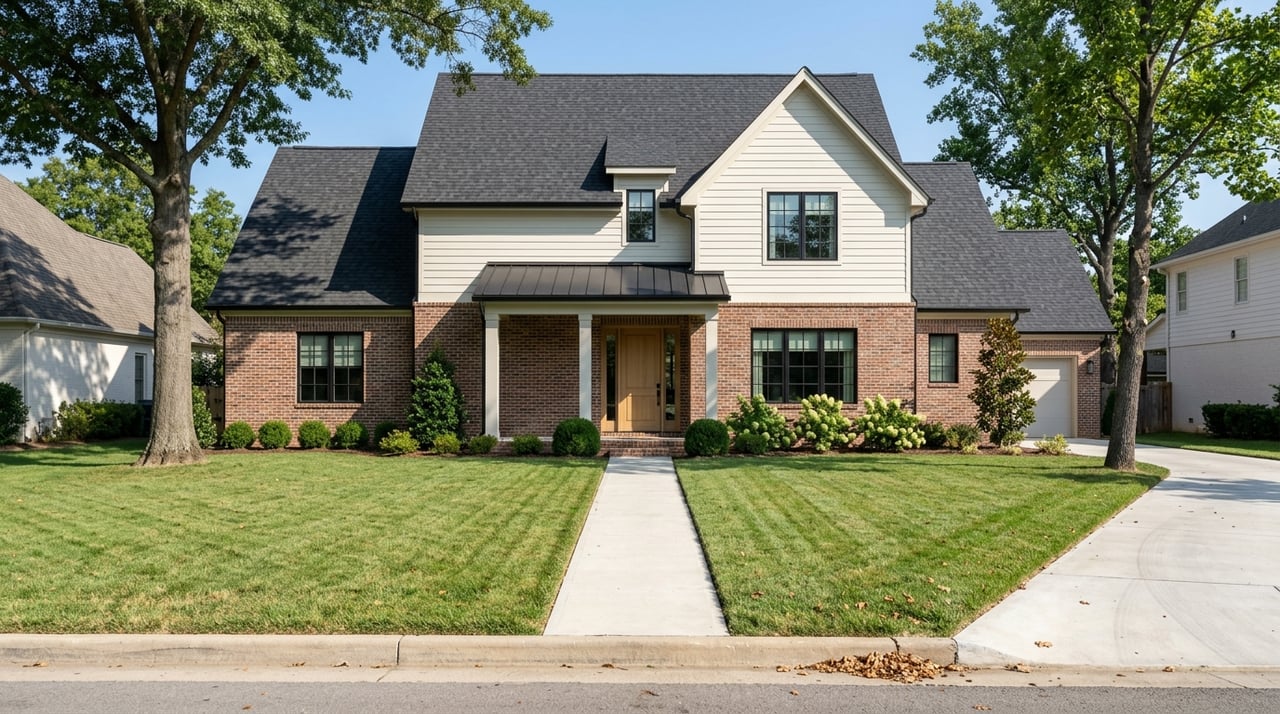
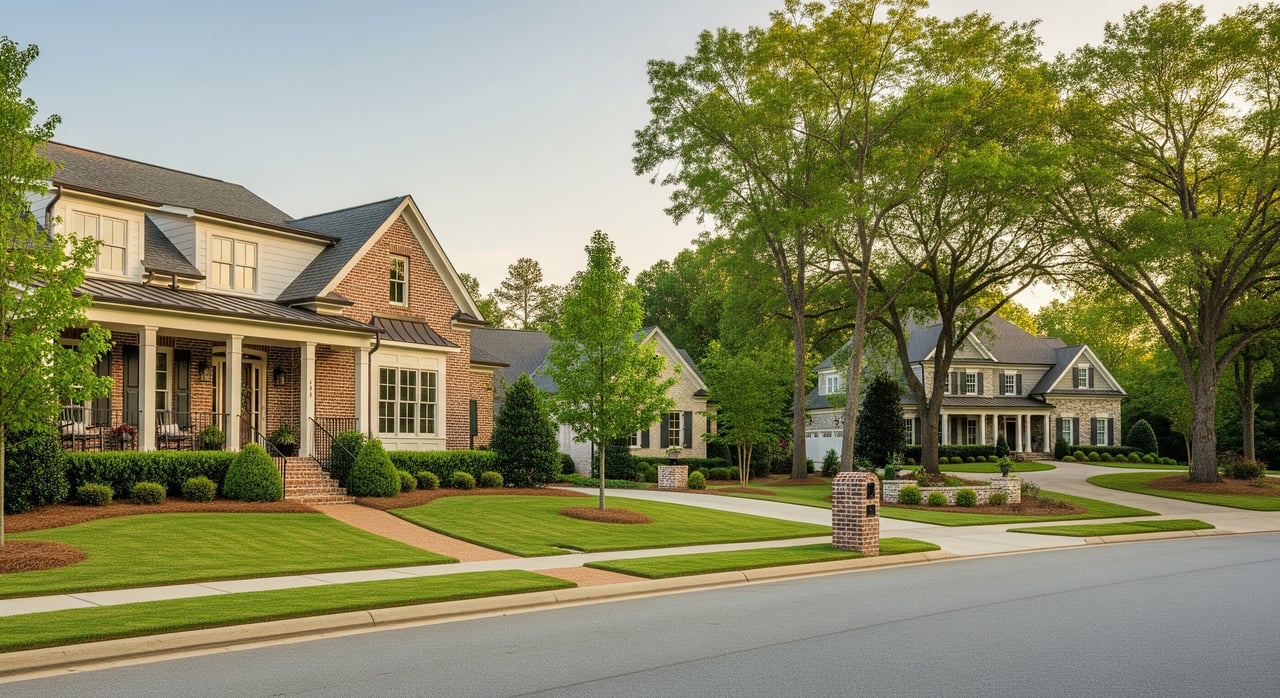
In Holly Springs, many newer master-planned neighborhoods have HOAs. These communities often include shared amenities like pools, trails, playgrounds, and clubhouses, along with design standards that guide exterior changes. You will also find HOAs in townhome and condo complexes, as well as in smaller single-street enclaves.

Non-HOA options in Holly Springs typically include older neighborhoods with private yards, custom or semi-rural lots outside planned developments, and some infill areas where covenants are minimal or absent. If you value flexibility and fewer rules, these may fit your goals.

HOA powers and limits are defined by the community’s governing documents. Key documents include the Declaration or CC&Rs, Bylaws, Rules and Regulations, and budgets or reserve studies. Always review these before you buy, since each community is unique.

What HOA fees usually cover

HOA dues are used to maintain shared property and services. Typical expenses include:

  • Landscaping and upkeep of entrances, common greens, trails, or ponds
  • Operation and maintenance of amenities like pools, playgrounds, and clubhouses
  • Insurance for common areas and directors and officers liability
  • Utilities for common facilities and sometimes street lighting
  • Management, administrative, legal, and accounting costs
  • Reserve fund contributions for future repairs, such as roofs, roads, or pool resurfacing

Some HOAs also include services like trash and recycling, basic cable or community internet, private security, or lawn care for certain home types. Townhome and condo associations often have higher per-unit fees because they cover building systems and structure.

In suburban North Carolina, fees can range from nominal annual amounts to several hundred dollars per month in communities with extensive amenities. Exact figures vary by neighborhood, so confirm current dues and what they cover before you write an offer.

A well-run HOA maintains a clear operating budget and a healthy reserve fund. Reserve studies help the board plan for major future expenses. When reserves fall short, HOAs may levy special assessments. Review financials and board meeting minutes to see if there is a pattern of special assessments or deferred maintenance.

Rules and lifestyle trade-offs

Most HOAs set and enforce rules that shape daily life in the neighborhood. Common areas include:

  • Exterior appearance and architectural guidelines
  • Lawn and landscape standards
  • Vehicle rules, including street parking or storage of boats and RVs
  • Pet policies
  • Use restrictions, such as short-term rentals, home-based business limits, or quiet hours
  • Amenity rules, including guest and access policies

Enforcement usually starts with warnings and may escalate to fines, suspension of amenity privileges, or liens for unpaid assessments. Consistency varies across associations, which is why reading recent board minutes and speaking with residents can be helpful.

The trade-off is simple. With an HOA, you often gain a consistent neighborhood look, maintained amenities, and in some cases less exterior upkeep. In return, you accept fees, possible assessments, and limits on how you use or modify your property.

When a non-HOA home fits better

A non-HOA home can be a great fit if you want more autonomy, fewer ongoing fees, and freedom to customize. You decide your landscaping, storage options, and exterior updates, subject to local zoning.

The trade-off is that you handle all maintenance and curb appeal on your own. If the street lacks shared amenities or a voluntary neighborhood group, you may not get a pool, clubhouse, or organized events. Resale can be driven more by the individual home, lot, and location rather than neighborhood amenities.

Compare options quickly

Use these prompts to match your preferences with the right community type:

  • If you value amenities like a pool, trails, and a clubhouse, an HOA neighborhood is likely a better fit.
  • If you want maximum freedom with exterior changes and storage, a non-HOA home gives you more control.
  • If you prefer low-maintenance living, townhomes or condos with HOAs often include exterior and grounds care.
  • If you want minimal dues with just entrance landscaping and basic standards, look at smaller enclave HOAs.
  • If you dislike paying monthly fees, focus on older, established non-HOA streets or semi-rural lots.

Decision checklist for Holly Springs buyers

Follow this step-by-step process for any property you are considering:

  1. Confirm HOA status and get contact details for the HOA and management company.
  2. Request and review before contract:
    • Declaration or CC&Rs, Bylaws, and Rules and Regulations
    • Current budget, most recent financial statements, and any reserve study
    • Board meeting minutes for the last 6 to 12 months
    • Resale disclosure package and any pending or recent special assessments
    • Management company contract and contact information
    • Master insurance certificate and coverage summary
  3. Scan for financial red flags:
    • Repeated special assessments in the last 3 to 5 years
    • Bare or underfunded reserves
    • Significant unpaid assessments or pending litigation
  4. Scan for lifestyle red flags:
    • Rental bans or caps if you may rent in the future
    • Tight architectural controls if you plan exterior changes
    • Frequent fines or enforcement disputes in meeting minutes
  5. Ask your lender and insurer how HOA status affects financing and coverage, especially for condo loans.

How to research an HOA locally

You can learn a lot with a few calls and a little documentation review.

  • Start with the listing agent. Ask for the HOA’s name, the management company, and the full resale packet.
  • Read governing documents closely. Look for rules that affect your plans and budgets that show how dues are used.
  • Contact the management company. Ask about dues, what they cover, reserve funding, planned projects, and any history of special assessments.
  • Visit the Town of Holly Springs site for park and services information, then compare what is public versus what the HOA maintains.
  • Search Wake County property records for any liens or recorded covenants tied to the property.
  • Speak to residents. Ask how rules are enforced, whether amenities are well kept, and if communication from the board is clear.
  • Consult pros as needed. A real estate attorney can review CC&Rs. Your lender and insurance agent can flag financing or coverage considerations.

Financing and insurance notes

Your lender may review HOA documents during underwriting, especially for condos. Some loan programs require project approval for condominium properties. If you buy into an HOA, the association typically carries master insurance for common areas, but it does not replace your personal homeowner’s policy. For single-family homes, you will still need a standard homeowner policy. For condos, confirm what the master policy covers and what you must insure inside the unit.

Bottom line for Holly Springs buyers

Choosing between an HOA and a non-HOA home comes down to lifestyle and budget. If you want shared amenities, consistent curb appeal, and lower day-to-day exterior upkeep, an HOA neighborhood can be a smart choice. If you prefer flexibility, lower recurring costs, and more control over your property, a non-HOA home may fit better.

If you want a clear picture before you decide, our team can help you source the right documents, compare communities, and spot red flags early so you can move forward with confidence. Reach out to Bespoke Realty Group to start your Holly Springs search on the right foot.
FAQs

What is an HOA and how does it operate in Holly Springs?

  • An HOA is a private association that maintains common areas, enforces covenants, and collects dues; in Holly Springs, many newer subdivisions, townhomes, and condos use HOAs, usually led by a volunteer board or a management company.

How much are HOA fees for Holly Springs neighborhoods?

  • Fees vary widely by amenities and services, from nominal annual amounts to several hundred dollars per month; confirm exact dues and coverage in the current budget and resale documents for each community.

What rules do HOAs typically enforce in Holly Springs?

  • Common rules govern exterior changes, landscaping, parking and vehicles, pet policies, rental limits, and amenity usage; enforcement can include warnings, fines, and liens for unpaid assessments.

Can an HOA in North Carolina restrict rentals or short-term stays?

  • Many HOAs set rental rules such as minimum lease terms or caps; check the CC&Rs and Rules and Regulations for the specific community you are considering.

Can an HOA foreclose for unpaid dues in North Carolina?

  • Many associations can place liens and pursue collections for unpaid assessments; the process and remedies depend on state law and the community’s governing documents, so consult an attorney for details.

Do HOA dues increase over time?

  • Dues can rise as costs and planned projects change; review past budgets and recent meeting minutes to understand trends and any upcoming capital work.

Does living in an HOA improve resale value in Holly Springs?

  • An HOA can help if standards are maintained and amenities are desirable, but poor governance or repeated special assessments can deter buyers; evaluate each community’s reputation and financial health.

Work With Us

We pride ourselves in providing personalized solutions that bring our clients closer to their dream properties and enhance their long-term wealth.